


In the custom baking industry, customer service and administrative coordination are just as critical as technical skill in the kitchen. A bakery may produce beautiful cakes, but if order dates are missed, flavor requests are confused, or client communications are disorganized, the business’s reputation and profitability will suffer. Managing custom orders requires a systematic approach to customer relationship management (CRM) and order-book administration. A structured intake process can also be supported by an customer service chatbot that handles common questions before a staff member confirms dates, pricing, or special requirements.
By establishing structured intake workflows, centralizing production calendars, and documenting communication policies, custom bakeries can protect themselves from costly mistakes. Furthermore, organizing these systems ensures that the business can operate smoothly even when the owner is not physically present in the kitchen, building operational resilience, protecting long-term equity, and establishing a professional brand that customers can rely on year after year.
Standardizing the Order Intake and Verification Workflow
The custom cake ordering process is naturally prone to communication errors. Clients often come to a bakery with vague design ideas, conflicting dietary requirements, or shifting guest counts. If these details are not captured systematically, mistakes will inevitably occur in production. A standardized order intake process is the first line of defense against production errors, ensuring that every detail is verified before the mixers start.
Every inquiry, whether received through a website form, a phone call, or an in-person consultation, must follow a consistent template. The intake form should capture essential details: the exact date and time of pickup or delivery, precise serving requirements, flavor and filling selections, allergies, and reference images. Verbal agreements should never be used as the basis for production.
Once the initial details are gathered, the bakery should issue a formal, written order summary to the client. This document must state that the client is responsible for reviewing and confirming all details, including the spelling of names and the accuracy of event dates. Requiring written or digital sign-off on the final order summary before production begins protects the bakery from disputes and ensures that both parties are aligned. If a client requests a change later, a written addendum must be created and signed to keep the record clean.
Centralizing the Production Calendar and Capacity Limits

A chaotic production schedule is a leading source of stress and operational failure in retail bakeries. Accepting too many orders for a single weekend can overwhelm kitchen staff, leading to rushed work, design mistakes, and employee burnout. To maintain quality control, bakeries must centralize their production calendar and establish firm capacity limits based on labor and physical space.
Whether using a physical whiteboard, a shared digital calendar, or specialized bakery management software, every confirmed order must be logged in a single, master production calendar. This calendar should be accessible to all kitchen staff and updated in real time. To determine capacity limits, the bakery should calculate its maximum production capacity based on available oven space, refrigeration storage, and decorator hours.
For instance, a shop might limit its capacity to three large wedding cakes and fifteen custom birthday cakes per weekend. Once these limits are reached, the schedule is locked, and no further orders are accepted for those dates. Having a clear view of weekly capacity allows the management team to pace production, schedule staff efficiently, plan ingredient orders, and maintain the high quality standards that customers expect. Furthermore, it prevents the team from accepting last-minute commissions that disrupt the entire kitchen flow.
Building a Customer Relationship Management System for Repeat Business
While custom wedding cakes are high-value transactions, the financial backbone of many retail bakeries is repeat business from local families and corporate clients. Capturing and organizing customer data allows a bakery to build a loyal client base and drive recurring revenue throughout the year.
A basic customer relationship management database should track contact details, order history, flavor preferences, and key milestones. For example, noting family milestones helps staff anticipate future orders, such as annual requests for creative kids birthday party cakes.
By tracking these dates, the bakery can proactively reach out to clients four to six weeks in advance of their event, offering a streamlined ordering process for their upcoming celebration. This proactive outreach secures early bookings, fills the production calendar during slower seasons, and makes customers feel valued, turning one-time buyers into lifelong patrons who associate the bakery with their family milestones.
Documenting Operational Workflows to Ensure Business Continuity
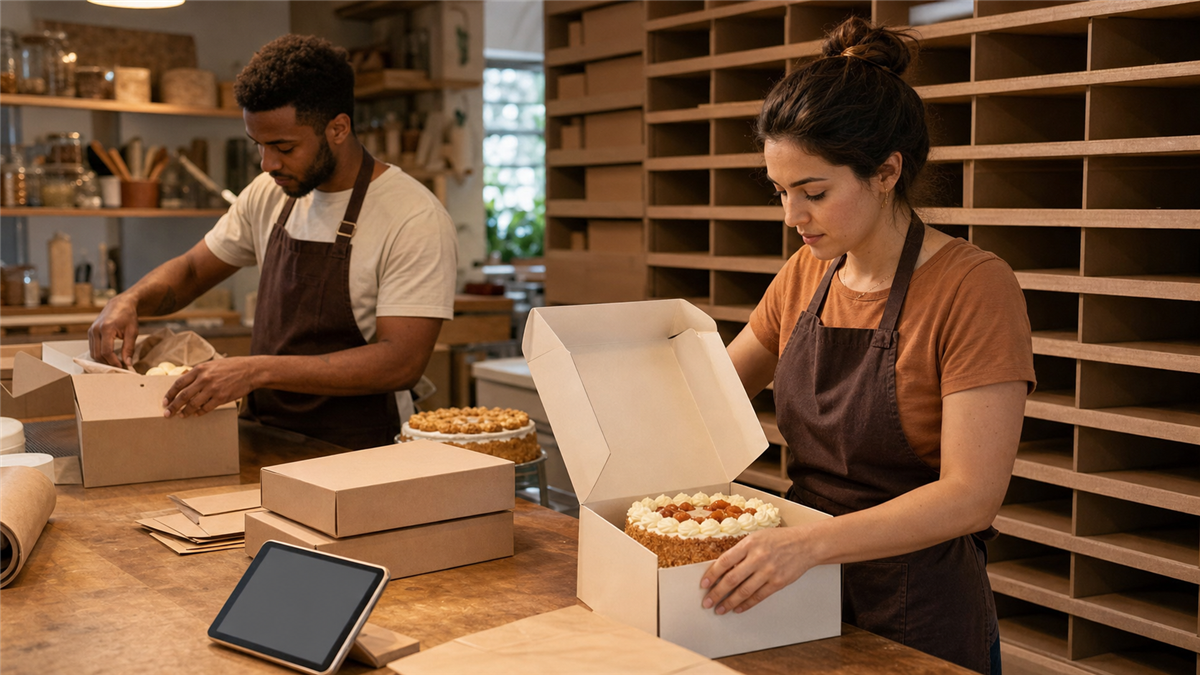
Many boutique bakeries operate as owner-dependent businesses, where the founder holds all client relationships, recipe details, and scheduling information in their head. While this model may work in the early stages, it creates a significant vulnerability. If the owner becomes ill, faces an emergency, or needs to step away from the business, operations can quickly stall.
To build a resilient business, owners must document every operational workflow. This documentation should include customer communication templates, order-entry procedures, complaint-resolution guides, and delivery protocols. Writing down these processes allows the owner to delegate tasks to managers and assistant decorators with confidence.
Furthermore, a well-documented operating manual is a valuable business asset. If the owner eventually decides to transition or sell the bakery, a potential buyer will pay a premium for a business that features documented, repeatable systems. Documenting processes shifts the value of the business from the owner’s personal presence to the brand’s operational infrastructure, turning a lifestyle job into a sellable commercial asset.
Leveraging Technology and Automated Communication Platforms
Managing the high volume of inquiries that a successful bakery receives can easily consume hours of administrative time each day. Implementing digital tools can help automate routine inquiries and streamline the booking process without sacrificing customer service quality.
To manage this volume, many retail operators evaluate tech integrations, comparing how custom cake shops evaluate automated tools, including chatbot options for retail orders, to handle initial customer questions. These automated tools can address common questions regarding pricing, availability, delivery options, and operating hours.
By filtering initial inquiries, the shop ensures that the administrative team only spends time on qualified leads who are ready to finalize their orders. Technology should not replace personal service, but rather handle the repetitive administrative tasks, allowing staff to focus on design details and customer consultations, which ultimately reduces the cost of customer acquisition.
Managing the Payment Pipeline and Custom Order Deposit Policies
A healthy cash flow is essential for covering weekly payroll, ingredient orders, and overhead expenses. Custom bakeries are particularly vulnerable to cash flow issues because they must purchase ingredients and schedule labor weeks in advance of delivering a finished product. To mitigate this risk, bakeries must enforce strict payment and deposit policies.
All custom orders should require a non-refundable retainer fee—typically fifty percent of the total quote—to secure the date on the production calendar. This retainer covers the initial costs of planning, purchasing specialized tools or ingredients, and reserves the shop’s capacity. The remaining balance should be paid in full at least two weeks prior to the event date for wedding cakes, or upon pickup for standard retail orders.
Enforcing a non-refundable policy protects the bakery from financial loss if a client cancels their event at the last minute, leaving the bakery with unused ingredients and an empty slot on the production schedule. Clear payment terms, written into every contract and order summary, set professional expectations, protect the business’s bottom line, and establish a firm boundary that respects the bakery’s craft and preparation time.
Sources
- Retail Bakers of America (RBA). Best Practices for Bakery Operations and Customer Management. https://www.retailbakersofamerica.org/resources/industry-resources
- U.S. Small Business Administration (SBA). Guide to Documenting Business Procedures and Operations. https://www.sba.gov/business-guide/plan-your-business/buy-existing-business-or-franchise


0 Comments