


Deciding to sell a custom retail bakery is a major personal and professional milestone. After years of long mornings, creative cake designs, and serving the local community, a practical business-sale preparation guide can help an owner shift from daily production toward a more transferable operation. When prospective buyers look at a bakery, they are not just buying commercial ovens and mixing bowls; they are buying a functional system that can consistently generate revenue without the founder’s daily presence.
To maximize the business’s valuation and ensure a smooth closing, owners must meticulously organize their intellectual property, operating procedures, and customer agreements. By transforming personal knowledge into structured operational assets, a bakery owner can present a turn-key business that is highly attractive to qualified buyers, ensuring that the transition does not disrupt the loyal customer base that has been built over the years.
Standardizing the Recipe Catalog and Baking Instructions for Transferability
The heart of any successful bakery is its menu. However, if the bakery’s signature recipes and flavor combinations only exist in the owner’s head, or are written in messy kitchen shorthand, the business is not easily transferable. A buyer needs to be confident that they can maintain the exact quality, taste, and flavor profiles that the bakery’s reputation is built on from day one.
Owners should compile a comprehensive, digital recipe portfolio. Every recipe must be standardized using weight-based measurements in grams or ounces rather than volumetric measurements (like cups and spoons) to ensure consistency across large batches. Beyond the ingredient lists, the portfolio should include detailed, step-by-step preparation, assembly, and decorating instructions.
For instance, the manual should document the specific decorating workflows for classic menu items, detailing how the kitchen executes popular designs by referencing a step-by-step ombre cake decorating guide. This level of detail ensures that new staff members can replicate the signature look, texture, and quality of the bakery’s portfolio without the original owner’s instruction, making the kitchen operations highly independent and attractive to buyers. This reduces the buyer’s anxiety about losing the primary baker and protects the brand’s core culinary identity.
Documenting Kitchen Standard Operating Procedures and Compliance
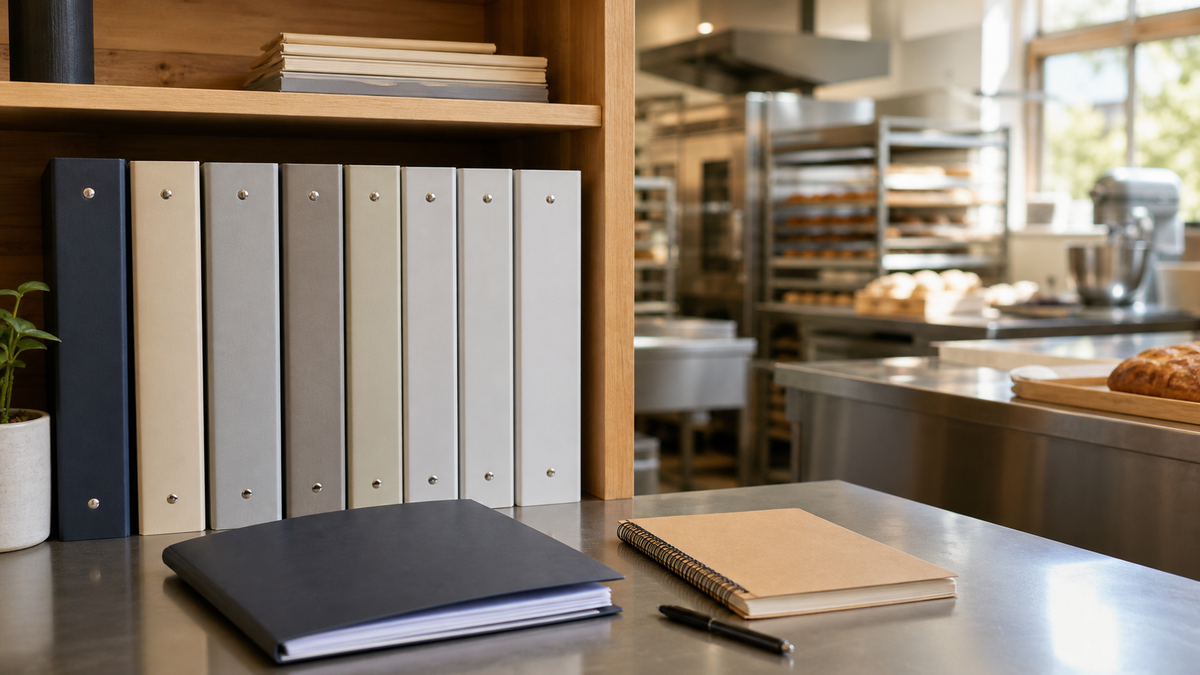
A commercial kitchen is a complex environment governed by strict local health department regulations and safety standards. To prove to a buyer that the business is compliant and easy to manage, the owner should compile a kitchen operations manual that outlines all standard operating procedures (SOPs).
This manual should cover daily opening and closing checklists, commercial equipment maintenance schedules (such as cleaning grease traps, servicing refrigeration units, and calibrating ovens), food storage protocols, and sanitization schedules. It is also beneficial to organize a compliance folder containing recent health department inspection reports, business licenses, food handler certifications for all staff, and fire safety inspection certificates.
Having these documents clearly organized demonstrates that the bakery is operated professionally and mitigates risk for a buyer. A clean regulatory track record and documented maintenance procedures also reassure the buyer that they will not face unexpected repair costs or regulatory fines immediately after taking over, which can otherwise derail a transition.
Organizing Customer Contracts and Event Booking Books for Transition
A key driver of a bakery’s valuation is its forward-looking revenue. Buyers want to see a healthy pipeline of booked events, particularly high-value contracts such as weddings and large corporate orders. However, transitioning these future bookings requires careful administrative organization.
The owner should organize all outstanding customer contracts, invoices, and booking calendars into a secure digital system. Each client folder should contain the signed order agreement, design specifications, payment history, and details regarding deposits or retainer fees. It is crucial to review the terms of these contracts to ensure they are legally transferable to a new owner.
When presenting these files to a buyer, the owner must show exactly how much revenue is booked for the coming quarters, which deposits have been collected, and how those funds are escrowed or accounted for. An organized order book reassure buyers that they will benefit from immediate cash flow upon taking ownership, reducing their transition risk. It also gives the buyer confidence that the local client base will remain loyal through the transition.
Preparing Financial Documentation and Deal Structure for Bakery Sales

A transaction cannot proceed without clear financial records. Prospective buyers and their lenders will require at least three years of detailed financial statements, including federal tax returns, profit and loss (P&L) statements, and balance sheets. These documents should be prepared by a certified public accountant to ensure accuracy and professional presentation.
In addition to historic earnings, owners should prepare for discussions regarding transaction structures. In many retail business sales, seller financing is used to bridge funding gaps and demonstrate the seller’s confidence in the business’s future success. To prepare for these negotiations, owners should study the documentation requirements and financial metrics that lenders look for, analyzing what bakery owners should organize before discussing seller financing.
Organizing credit reports, personal financial statements, and a clear proposal for interest rates and repayment terms before entering negotiations puts the seller in a position of strength, helping to secure a favorable deal structure. This preparation shows the buyer that the transaction is backed by professional standards.
Navigating the Business Valuation and Exit Planning Timeline
Selling a retail bakery is a multi-step process that often takes several months to execute from initial planning to final closing. Achieving a premium valuation requires matching clean financial records with a physical shop that is visually appealing, operationally organized, and highly efficient.
To navigate this process successfully, many owners work with professional business brokers who specialize in the food and beverage industry. Using structured advisory resources allows owners to understand current market valuation multiples, identify areas where they can cut unnecessary costs to boost earnings, and prepare the necessary disclosure documents.
By taking a systematic approach to exit preparation, owners can avoid common pitfalls such as deal fatigue, lease transfer issues, or customer disruption, securing a successful closing that rewards their years of hard work. This strategic preparation also helps keep the sale confidential, preventing staff turnover or competitor exploitation during the marketing phase.
Handling Supplier Agreements and Kitchen Inventory Handovers
The final step in preparing a bakery for sale is organizing the relationships and inventory that keep the kitchen stocked. A smooth transition requires handing over a fully functioning supply chain, ensuring that the new owner can source the same specialized ingredients and packaging materials without interruption.
Owners should compile a directory of all wholesale distributors, specialty ingredient vendors, local farms, and packaging suppliers. This directory should include account numbers, primary contact information, pricing agreements, and delivery schedules. If there are long-term purchasing agreements or exclusive vendor contracts, these must be reviewed for transferability.
Additionally, the owner should conduct a physical inventory count of all raw ingredients, packaging, and retail merchandise just prior to closing. This inventory is typically sold to the buyer at cost at the time of transfer. Providing a clean inventory list and structured vendor directories ensures that the bakery does not experience production delays during the ownership transition.
Sources
- International Business Brokers Association (IBBA). Market Studies and Exit Planning Guidelines. https://www.ibba.org/resource-center/
- National Restaurant Association (NRA). Standard Operating Procedures and Kitchen Compliance Resources. https://restaurant.org/research-and-media/research/


0 Comments