


Operating a successful custom retail bakery requires a delicate balance between culinary artistry and strict financial discipline. While baking beautiful, delicious cakes is the creative heartbeat of a shop, maintaining healthy profit margins is what keeps the ovens running. In an industry where raw ingredient costs fluctuate rapidly and labor is highly intensive, cake shop owners must move away from guesswork and adopt data-driven menu pricing strategies.
Establishing strong margin controls involves understanding the exact cost of goods sold, implementing precise labor and design markups, and structuring menus to maximize profitability. By identifying where every cent goes, a custom bakery can build a sustainable business model that honors the craft while securing long-term financial viability.
Establishing a Granular System for Tracking Wholesale Ingredient Costs
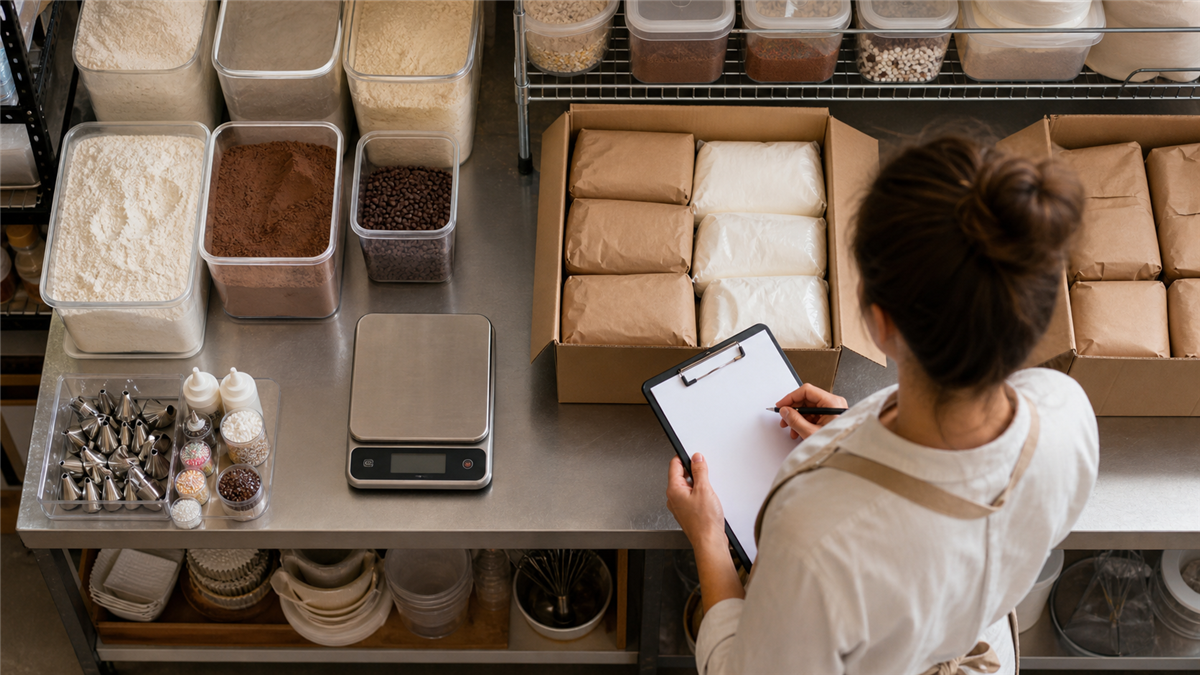
A foundational step in menu engineering is establishing a reliable system for tracking the costs of raw ingredients. Commodity prices for bakery staples such as butter, eggs, flour, sugar, and dairy are notoriously volatile. A sudden frost in a key agricultural region or a supply chain bottleneck can cause the wholesale price of butter or vanilla extract to spike overnight. If a bakery does not adjust its recipe cost cards in real time, those rising costs will immediately erode the bottom line.
To prevent margin erosion, bakery owners should transition from passive invoice tracking to a dynamic ingredient cost database. Every single recipe must be broken down into its base components, calculating the cost per gram or ounce for every element, including flour, baking powder, flavorings, and fillings. For instance, if a recipe calls for two hundred grams of unsalted butter, the cost card should reference the current price per pound from the primary wholesale distributor, converted to a per-gram rate.
Regularly auditing supplier invoices—at least once a month—allows owners to update these spreadsheets or software systems. Understanding the exact cost of a base cake layer, a batch of buttercream, or a specialty fruit filling provides a clear baseline from which to build pricing. Without this precise measurement, any subsequent markup or pricing model is built on unstable ground.
Factoring Labor and Artistic Design into Custom Cake Markups
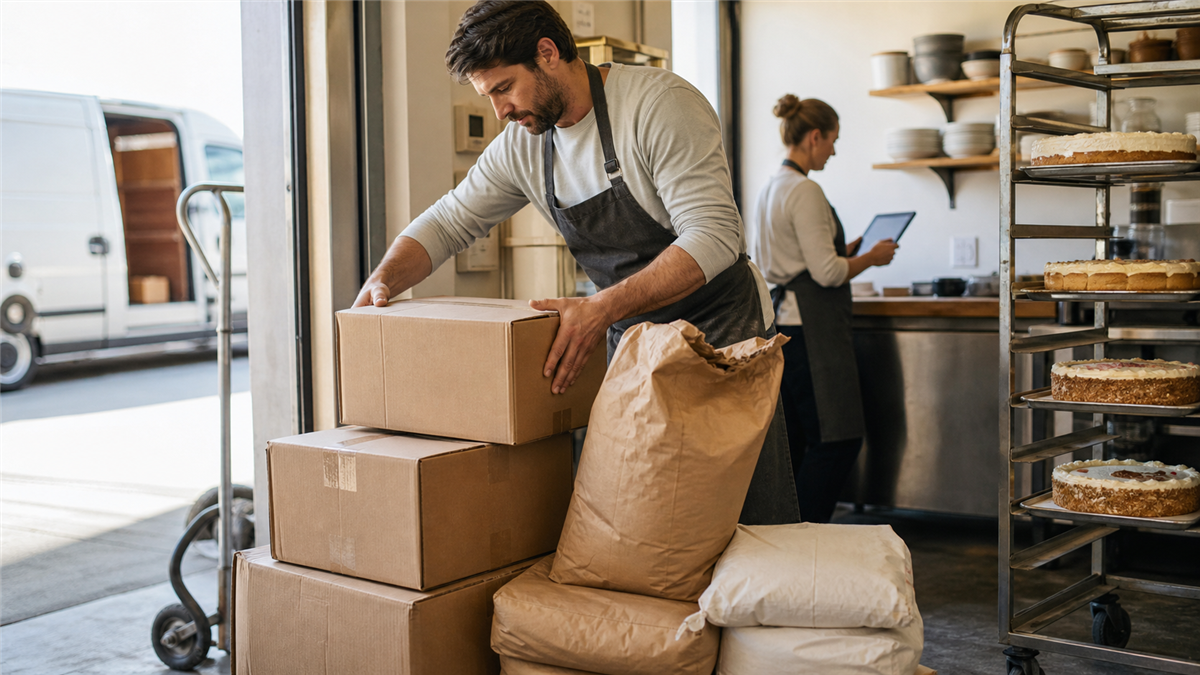
One of the most common pricing errors made by retail bakeries is underestimating the value of labor, particularly the highly specialized labor required for custom cake decoration. While the raw ingredients for a three-tiered cake might cost forty dollars, the hands-on labor required to assemble, smooth, stack, and decorate it can easily exceed six to eight hours. If the shop owner only applies a standard food cost multiplier, they will fail to cover the cost of the decorator’s time, resulting in a net loss on the project.
To address this, bakeries must separate basic baking labor from advanced design labor. Basic baking, which includes mixing, baking, and crumb-coating, can often be standardized as a fixed operational expense or calculated using a flat hourly rate for kitchen staff. Custom design work, however, requires a tiered markup system based on complexity. For example, applying delicate borders or learning how to execute specialty techniques like those found in the edible ribbon decorations guide requires a higher level of skill and time.
Owners should track the time spent on various design tasks to establish realistic labor estimates. A simple spreadsheet tracking the design hours spent on past orders helps create a reliable pricing sheet where customers are charged a base rate plus an hourly fee for decoration, or are guided into predefined complexity tiers that reflect the true time commitment.
Accounting for Indirect Kitchen Overhead and Operational Waste
Beyond food and labor, running a brick-and-mortar retail bakery involves substantial indirect overhead costs that must be factored into every menu item. These expenses include rent, property taxes, business insurance, commercial kitchen equipment maintenance, marketing, and utilities. Baking ovens, walk-in coolers, and display cases consume a significant amount of electricity and gas, and these utility bills must be distributed across the bakery’s output.
Furthermore, operational waste is an unavoidable reality in food service. Trimmings from leveling cakes, excess batter, spoiled ingredients, and unsold retail items display case inventory all contribute to waste. A healthy pricing model must include a waste allowance factor, typically between three and five percent, added to the raw food cost of each item.
To distribute overhead expenses, owners should calculate their total monthly overhead and divide it by the average number of operating hours or the average volume of products sold. If the shop’s fixed monthly overhead is six thousand dollars and they sell approximately one thousand cakes and pastry boxes per month, each transaction must cover at least six dollars of overhead before the business breaks even. Neglecting these indirect costs leads to a common paradox: a bakery that appears busy and popular but struggles to pay its basic monthly bills.
Menu Engineering and Tiered Pricing Models for Retail Displays
Menu engineering is the practice of evaluating and adjusting the pricing and design of a menu to influence customer choices and maximize profitability. For a custom bakery, this means organizing offerings in a way that highlights high-margin items while managing the sales mix. A classic approach is to establish a tiered pricing structure that guides customers through different levels of complexity and investment.
A bakery might offer three tiers for custom cakes. Tier one features a standard selection of flavors with simple textured buttercream finishes, priced at a accessible flat rate. Tier two introduces custom color palettes and basic piped decorations, while tier three represents fully custom, multi-tiered works of art with intricate fondant work and handmade toppers. This tiered structure simplifies the decision-making process for the customer and ensures that those seeking budget-friendly options can be accommodated without compromising the shop’s profitability.
For the retail display case, where individual pastries, cupcakes, and cookies are sold, menu engineering involves strategic placement and visual cues. High-margin items, such as specialty cupcakes or decorated sugar cookies, should be placed at eye level in the center of the display case. Items with lower profit margins, though popular, can be positioned on lower shelves. By understanding the profit contribution of each item, the bakery can focus its marketing and presentation efforts on the products that generate the highest net return.
Integrating Technology and Online Ordering Systems for Price Efficiency
Modern technology plays a critical role in streamlining the pricing and quotation process for custom orders. Historically, quoting a custom cake required lengthy phone calls, multiple emails, and in-person consultations, all of which consume unpaid administrative labor. If a bakery owner spends forty-five minutes quoting a cake that the customer ultimately decides not to purchase, that administrative time represents a direct drain on resources.
To reduce this overhead, many forward-thinking businesses are integrating automated digital tools. Retail operators frequently review and implement online ordering systems, exploring how custom cake shops evaluate tech integrations, such as chatbots for online orders, to qualify leads before they ever reach the design phase. These automated systems can ask preliminary questions about event dates, serving counts, flavor preferences, and design inspirations, presenting standard pricing estimates in real time.
By filtering inquiries and automating basic quotes, the bakery saves hours of manual administrative labor each week. This tech-driven efficiency allows the staff to focus on actual production and high-value client interactions, ultimately lowering the operational cost of managing the customer pipeline.
Adjusting Price Lists without Compromising Customer Retention
Price adjustments are a necessary part of business survival, especially during prolonged periods of raw material inflation. However, many bakery owners delay raising prices out of fear of alienating their loyal customer base. While some customer attrition is natural when prices rise, delaying adjustments for too long can severely damage the business’s financial health.
When adjusting prices, transparency and value-based communication are essential. Rather than apologizing for higher prices, focus the messaging on the bakery’s commitment to quality, sourcing premium local ingredients, and maintaining fair wages for the artisan staff. It is often best to implement small, incremental price adjustments annually or semi-annually rather than waiting several years and implementing a sudden, drastic hike.
Additionally, offering alternative options helps retain budget-conscious customers. If a client is concerned about the price of a custom cake, the staff can suggest a smaller display cake paired with high-quality sheet cakes for serving, or suggest simplifying the design elements to fit within their target budget. By providing flexible solutions, the bakery maintains its margin requirements while showing respect for the customer’s financial boundaries.
Sources
- Retail Bakers of America (RBA). Official Industry Guidelines and Operational Standards. https://www.retailbakersofamerica.org/resources/industry-resources
- Cornell University Nolan School of Hotel Administration. Hospitality Research and Industry Resources. https://business.cornell.edu/nolan/
0 Comments